China’s economic challenges have recently garnered attention from the Western world and the upper-middle class within China itself. While the lower class seems relatively unaffected, as they receive adequate support, the broader economy – especially the middle and high-end sectors – is experiencing strain. As a typical middle-class (according to my own definition) citizen in China, I am witnessing a significant shift in consumer behavior, characterized by reduced demand, decreased investments, and a noticeable decline in consumer confidence.
A clear indication of China’s changing economic landscape is the shift in consumption habits. The days of flaunting the latest mobile phone models are behind us. Many, including myself, are now content with our reliable three-year-old devices, intending to extend their lifespan for a few more years. Even our dining habits have evolved. We used to be regular patrons of upscale restaurants, effortlessly ordering daily specials and settling thousand-yuan (several-hundred-dollar) bills without a second thought. Now, without any spoken agreement, my husband and I naturally lean towards more down-to-earth dining options for our family outings, carefully perusing the menu and calculating the total bill before placing an order.
As a result, while many of the exquisite restaurants we once frequented have closed, those offering exceptional value or true luxury have managed to endure. I even feel somewhat remorseful because it appears that it’s individuals like me, from the middle class, who have curbed their spending, contributing to these closures. In reality, being the lucky ones, my company is thriving, thanks to the EV market, and my husband, as a lawyer, enjoys stable earnings. Our savings continue to grow each year, and technically, we can still afford what we used to spend. However, we find ourselves seeking greater financial security due to a lack of confidence in the future. Somehow, this can be achieved by cutting costs.
This shift in consumer behavior naturally raises questions about whether people will reduce spending on other significant purchases, such as cars.
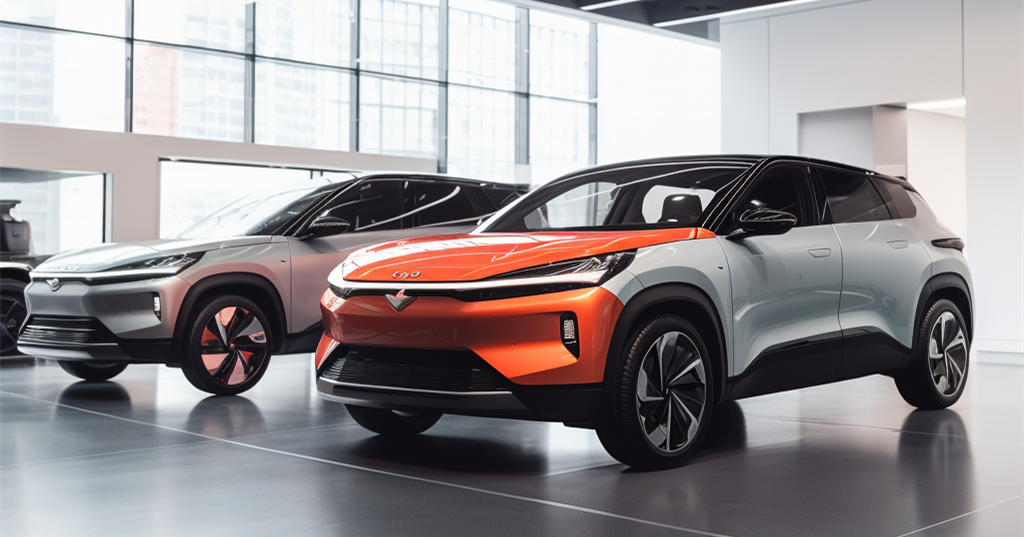
This is a frequently asked and discussed question, considering that the automobile industry has historically been and remains one of the most influential sectors in China’s economy, thanks to its powerful economic ripple effect. Thankfully, based on my observations, even in the face of economic challenges, several factors suggest that the electric vehicle (EV) market is currently flourishing in China and is poised to continue doing so:
Cost-Effective EVs: The substantial cost difference between fossil fuel vehicles and electric vehicles is a compelling factor. In China, EVs are seen as financially prudent choices, particularly in specific commercial segments like city logistics. The demand for pure battery EVs in these sectors is primarily market-driven, with subsidies or regulatory incentives playing a less essential role.
- Trendiness of EVs: Owning an EV has become a symbol of staying on-trend and demonstrating environmental responsibility. Many individuals feel a sense of being outdated if they do not own an EV or at least consider purchasing one. The EV market is currently characterized by fierce price competition, with consumers closely monitoring price drops, waiting for the optimal moment to make their purchase.
- Overall, the new energy industry, encompassing EVs and solar power, represents a ray of hope in an otherwise challenging economic environment. This sentiment is reflected in the stock market. Many friends from various sectors express envy over my seven-year involvement in new energy systems, as they have experienced unprecedented downturns. Interestingly, most of them have found a way to participate by investing in stocks of EV companies.
- Booming Overseas Exports: China’s EV supply chain has experienced rapid growth since 2016. Despite a few setbacks, particularly after 2018 when governments cracked down on subsidy fraud, the surviving players have emerged stronger and more resilient. Today, China boasts the world’s most robust EV supply chains, significantly outpacing its competitors. With increasing global demand for EVs, manufacturers worldwide are turning to China for the majority of the components they require. This presents substantial opportunities for Chinese suppliers and manufacturers to expand their global reach.
 2DE145E Electric car charging, illustration
In conclusion, China’s economy is indeed navigating turbulent waters, but amid this uncertainty, the electric vehicle industry stands out as a ray of hope. EVs offer cost-effective alternatives, aligning with the sustainability trend sweeping across the nation. Furthermore, China’s leadership in the EV supply chain is paving the way for international collaboration and exports. As China continues to adapt to its evolving economic landscape, the electric vehicle sector appears poised for a promising future, both domestically and on the global stage.